Race Coverage
Two Worlds Collide: What Happens When Triathletes and Ultrarunners Cross Into OCR
September 27, 2026

September 27, 2026
September 27, 2026
September 26, 2026
September 26, 2026
September 25, 2026
September 27, 2026
September 26, 2026
September 26, 2026
September 25, 2026
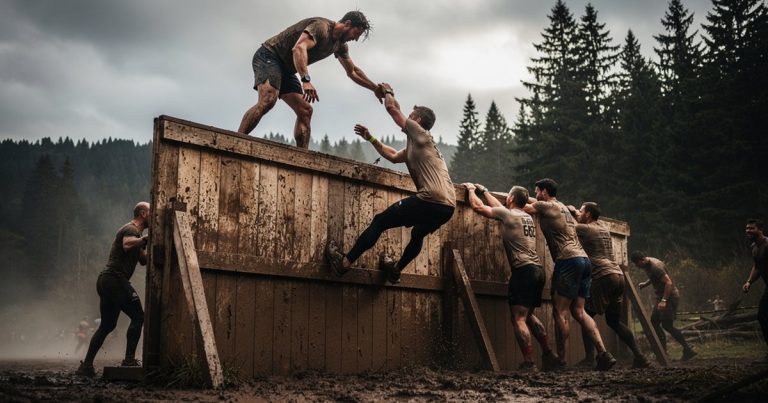
The wall boost, the finish line cheer, the stranger who slows down mid-race to help — OCR’s culture of mutual aid is the sport’s most underrated competitive advantage. Here’s what it is, why it works, and where it gets complicated.
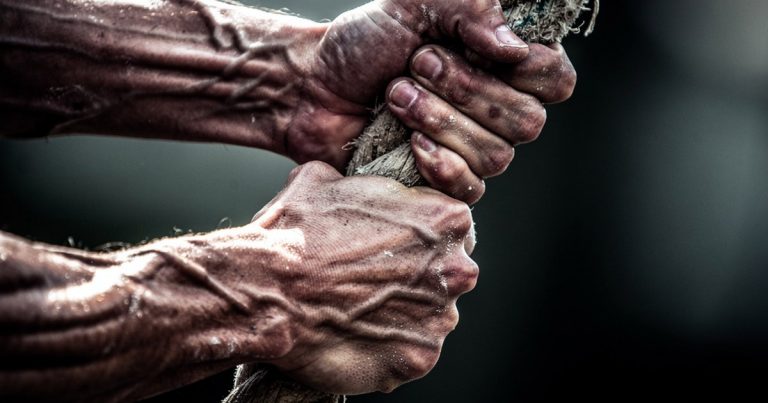
Muscles get all the training attention. Tendons get the injuries. Here’s what OCR athletes need to know about collagen, joint nutrition, and building connective tissue that holds up over a long race season.
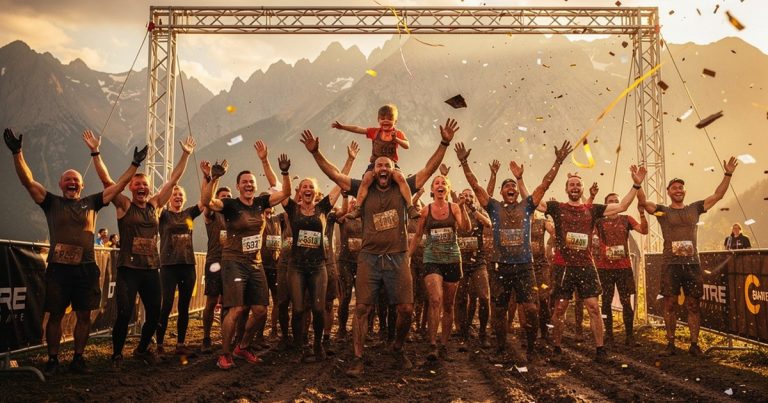
They’re not always the fastest in the corral, but they show up carrying something heavier than any sandbag. How OCR athletes who are also parents are balancing the miles, the mud, and raising a family.
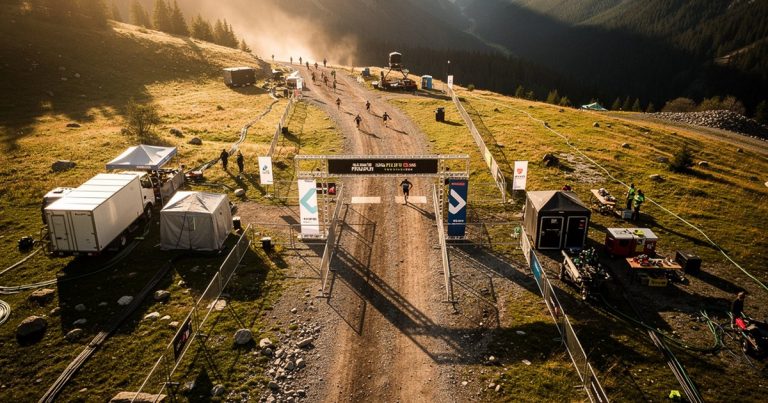
The indie OCR world is more active than ever — and the economics of how independent series survive, find sponsors, and hold their ground against the majors are worth understanding.
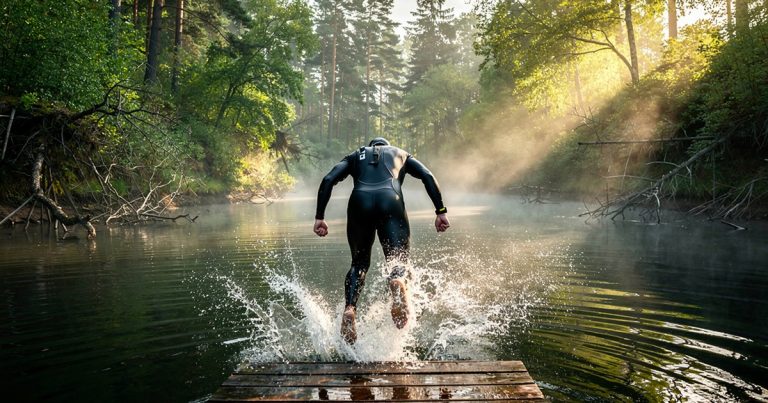
Water crossings don’t care how strong your grip is. Here’s how to actually train for the cold shock, submerged surfaces, and wet-to-land transitions that trip up OCR athletes on race day.

The OCR Community World Championships return to Mammoth Lakes October 5–9. Five courses, mandatory obstacle completion, altitude, and an international field. Here’s what the format actually demands.
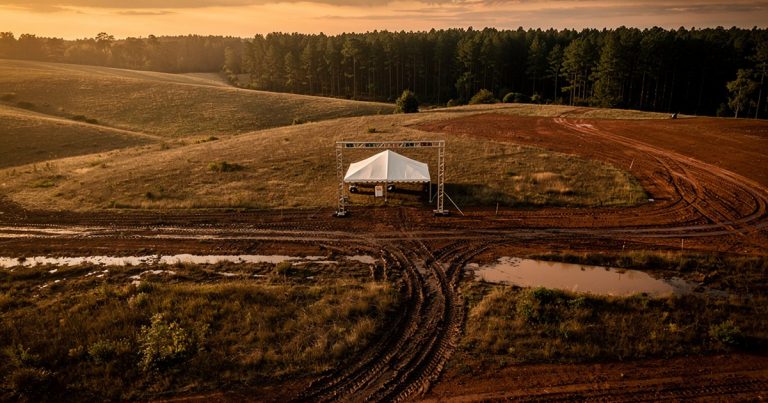
Savage Race scaled from 13 events down to 3 in 2026. It’s not an anomaly — it’s a case study in the structural pressures that are quietly reshaping OCR’s competitive middle tier.

Your shirt, shorts, and base layers are making or breaking your race before you hit the first obstacle. Here’s how to build an OCR kit that actually holds up.
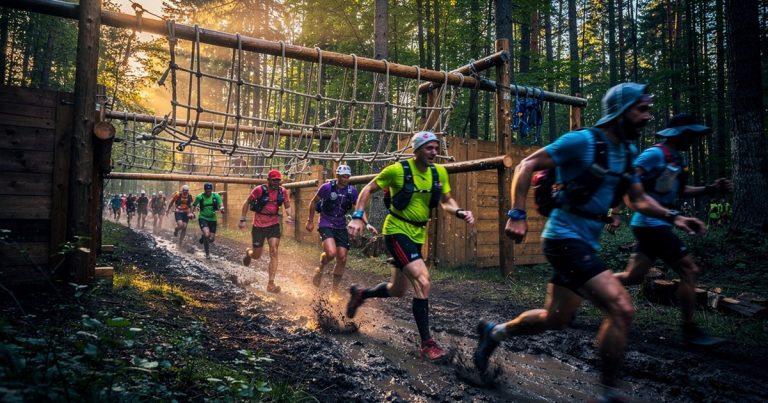
The OCR race calendar is expanding in 2026 — new formats, regional series building real identity, and international growth. Here’s where the sport is moving in Q3 and Q4.

Breathwork isn’t meditation fluff — it’s a measurable tool for shifting your nervous system into recovery mode after a race or hard session. Here’s the science and a protocol that actually works.

Tapering isn’t doing nothing — it’s the final phase of your training block. Here’s how to cut load intelligently in the 14 days before an OCR race without going stale or losing your edge.
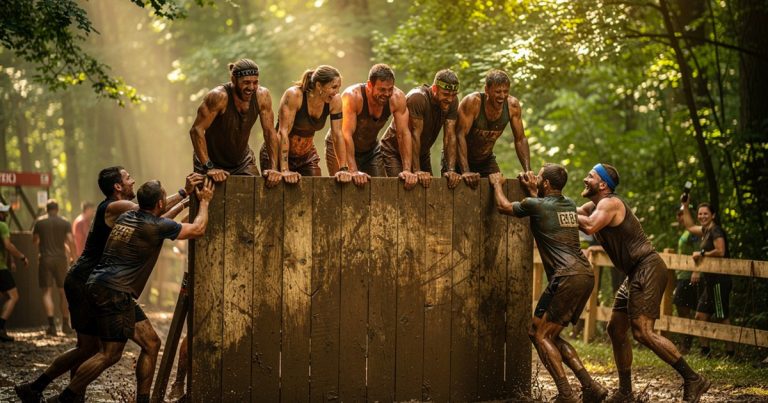
OCR race teams form fast, stick hard, and build a kind of belonging that’s genuinely hard to find elsewhere. Here’s how they work — and why the sport depends on them.