Industry News
The Crowded Starting Line: How OCR Is Fighting for Athletes in a Booming Endurance Market
September 26, 2026

September 26, 2026
September 26, 2026
September 25, 2026
September 25, 2026
September 24, 2026
September 26, 2026
September 25, 2026
September 25, 2026
September 24, 2026

Hyrox, trail running, triathlon, gravel cycling — the endurance market has never offered athletes more options. Here’s how OCR stacks up, where it has a real edge, and where the competition is quietly winning ground.

Adaptive athletes are competing on OCR courses in growing numbers — but the sport’s classification systems, race-day policies, and media coverage haven’t kept pace. Here’s what’s working, what isn’t, and why it matters.

Training hard isn’t the same as training ready. Here’s how to build a simple, honest OCR fitness benchmarking protocol — and why measuring beats guessing every time.
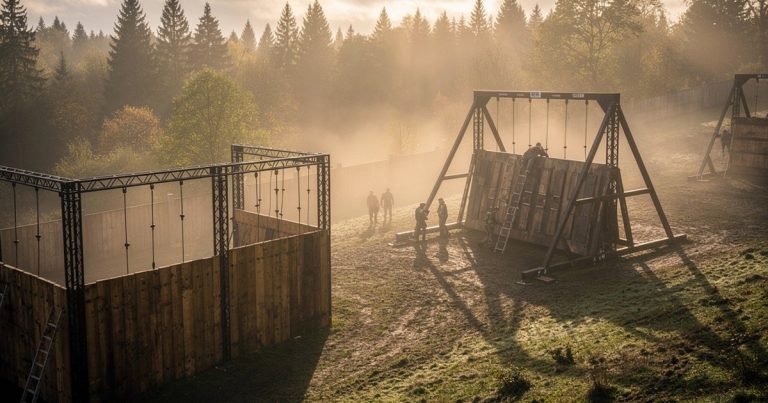
The walls, rigs, and carries you battle on race day didn’t appear by accident. Inside the craft of OCR course design — terrain selection, obstacle sequencing, failure rates, and where the sport is heading next.

Spartan’s deepening military branch partnerships signal a deliberate institutional strategy. Here’s what it means for OCR’s business landscape — and what it doesn’t solve.
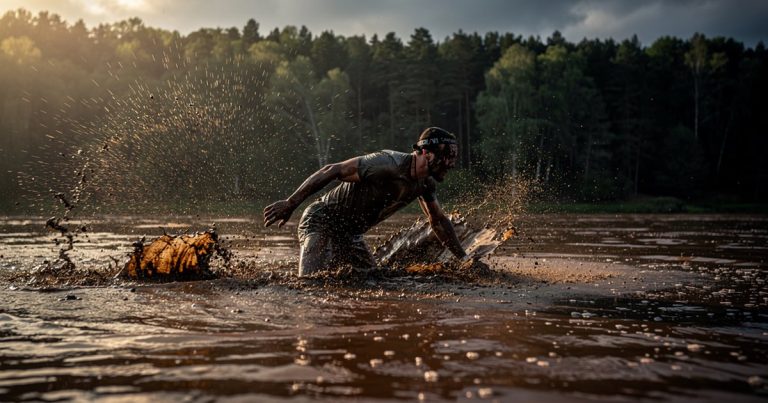
Water obstacles expose gaps that dry-land training never reveals. Here’s what OCR’s most overlooked challenge actually demands — and how to build real preparation before your next fall race.
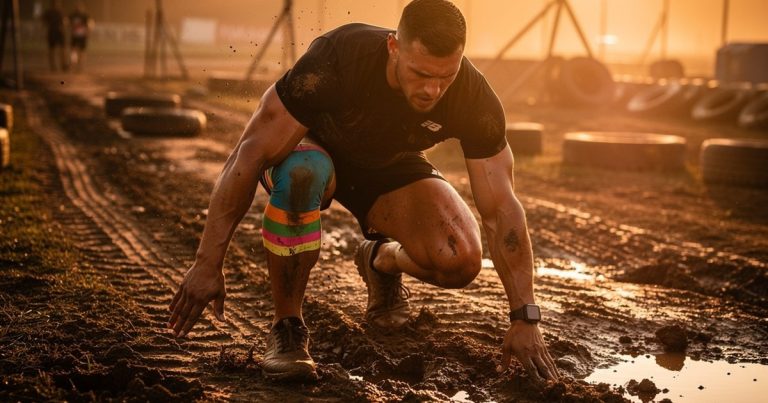
Kinesiology tape vs. rigid athletic tape — one lifts, one locks. Here’s what the evidence actually says about each type, how to apply them for OCR, and why skin prep is where most athletes lose the battle before they start.
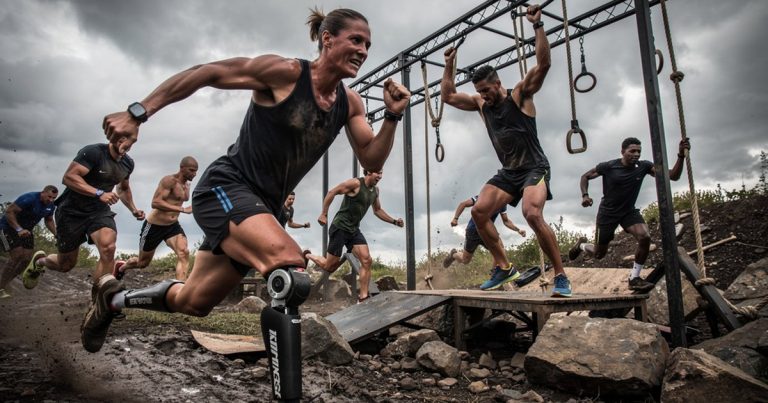
Adaptive athletes are showing up to OCR courses in growing numbers — and they’re not asking for a softer version of the sport. Here’s what their presence reveals about obstacle course racing’s real values.

OCR demands range of motion under load, across a dozen movement patterns. Here’s how to build mobility work that actually translates to the course — when to do it, what to target, and what the limits of the popular tools really are.
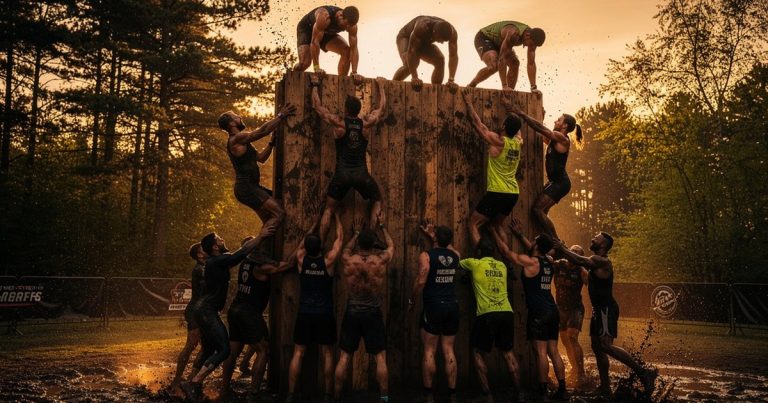
Local OCR training groups are the sport’s invisible infrastructure — the crews that keep athletes consistent, accountable, and coming back. Here’s why they matter and how to find yours.

An OCR-specific pre-race warm-up isn’t just jogging in place. Here’s a structured three-phase protocol — including grip priming and shoulder prep — that prepares you for obstacle demands from the first step.

Q4 in obstacle course racing is its own season within a season — colder conditions, higher stakes, sharper fields, and less margin for error. Here’s what serious athletes need to know heading into the final stretch.