Race Coverage
Two Worlds Collide: What Happens When Triathletes and Ultrarunners Cross Into OCR
September 27, 2026

September 27, 2026
September 27, 2026
September 26, 2026
September 26, 2026
September 25, 2026
September 27, 2026
September 26, 2026
September 26, 2026
September 25, 2026
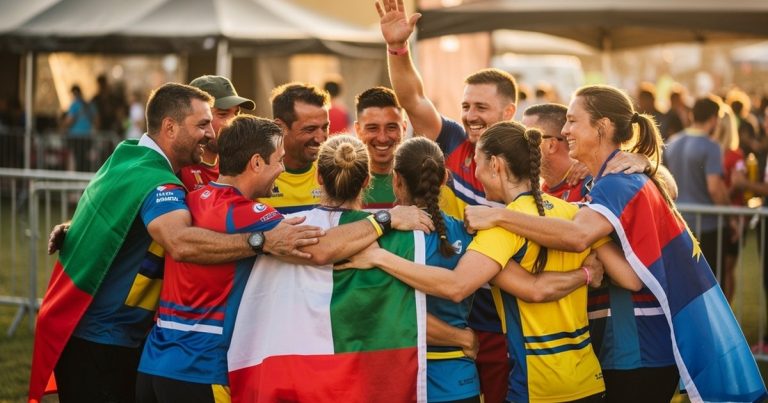
When athletes from forty countries converge on one start line, something bigger than a race happens. The travel tribe at OCR Worlds is how the sport builds its global community one shared mud pit at a time.
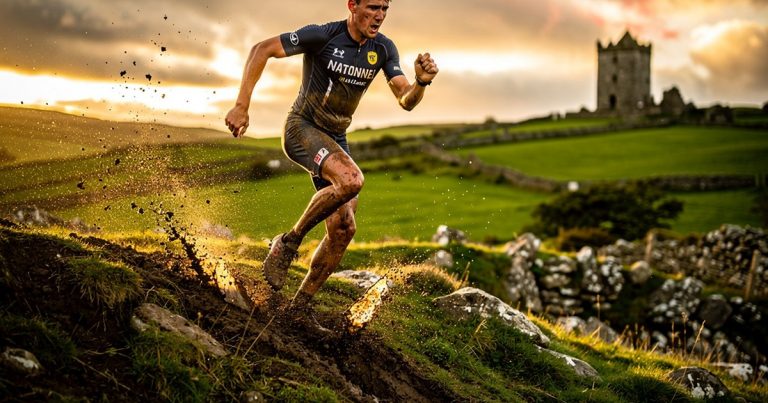
Age-group athletes at the FISO OCR World Championships in Limerick represent OCR’s truest story — self-funded, internationally qualified, and racing for a title earned entirely on their own terms.
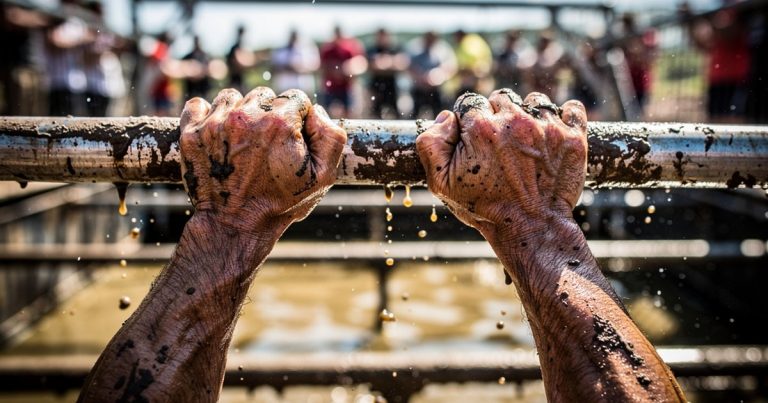
Electrolyte depletion costs OCR athletes more than miles — it costs them obstacles. Here’s the full picture on sodium, potassium, and magnesium for race performance.
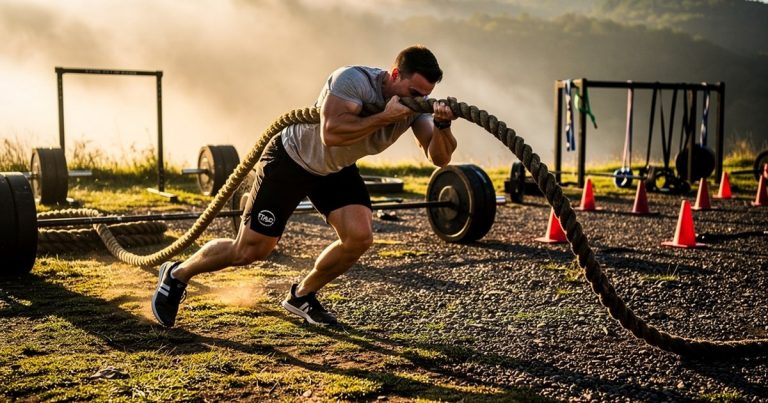
The interference effect is real — but for OCR athletes, it’s manageable. Here’s what the science says about training for strength and endurance simultaneously without compromising either.
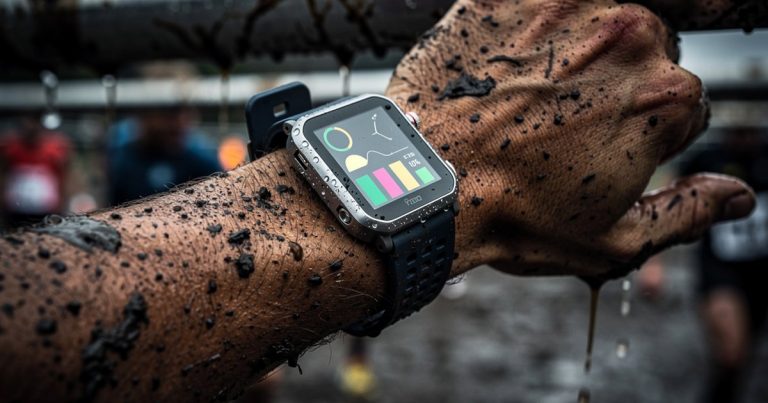
Race series and wearable tech brands have moved past logo placement into genuine data partnerships. Here’s what’s actually happening — and what it means for the athletes generating the signal.
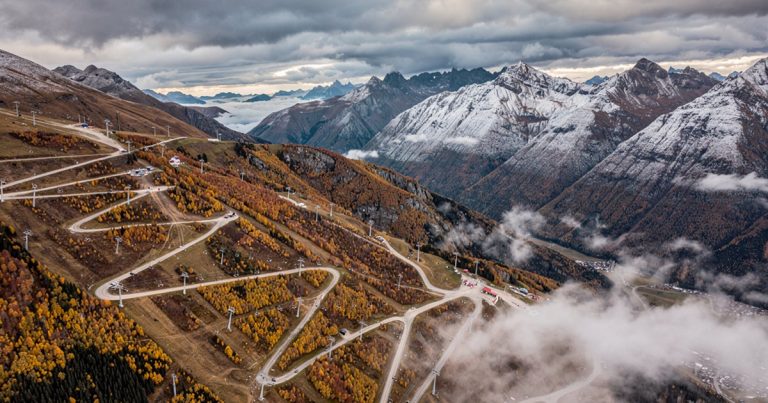
Fall is when OCR’s most iconic destination venues deliver their best. Here’s what Killington, Big Bear, Blue Mountain, and more actually demand — and how to decide which is worth your travel budget.
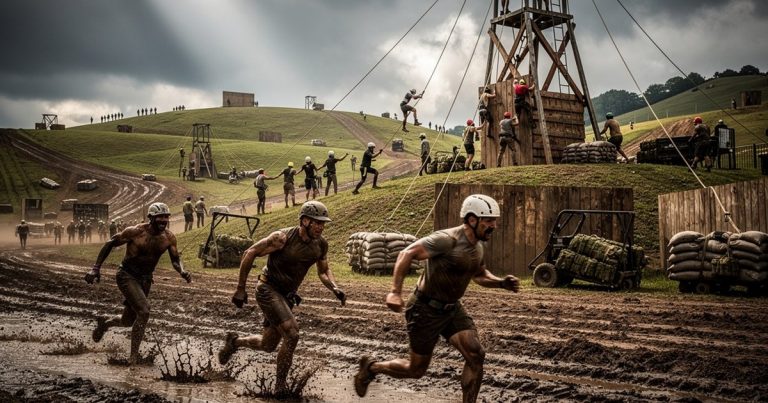
Bonefrog Challenge was built by Navy SEALs and has never pretended to be anything else. In 2026, it remains OCR’s clearest example of a series that competes on character rather than market share.
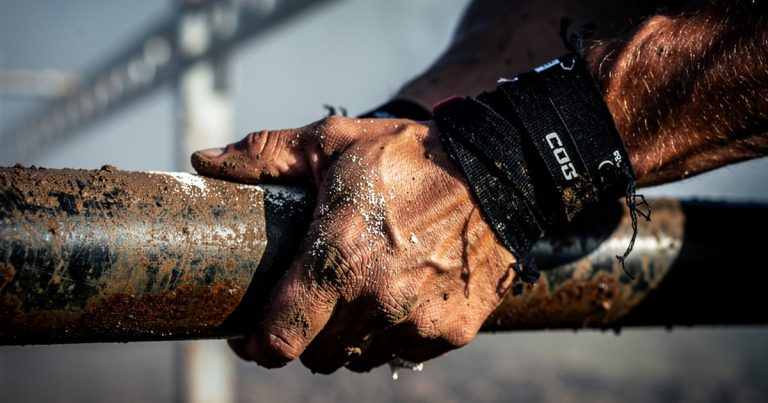
Gloves are just the beginning. Liquid chalk, gymnastic hand grips, and athletic taping offer OCR athletes a smarter, more adaptable grip strategy — especially when the rules or the water cut gloves out of the equation.

Purpose-built OCR training facilities have quietly become some of the sport’s most important community hubs — producing better athletes and deeper loyalty in the spaces between race weekends.
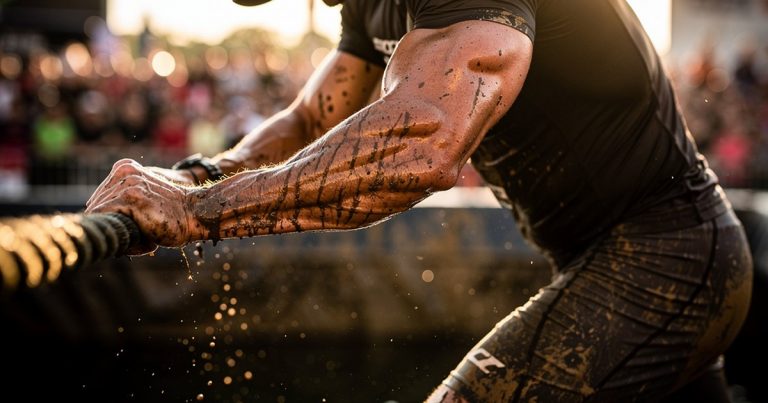
Powerlifters, competitive swimmers, and road cyclists aren’t the obvious OCR recruits — but they’re quietly posting results that demand attention. Here’s what each background brings, what it costs, and why the crossover works.
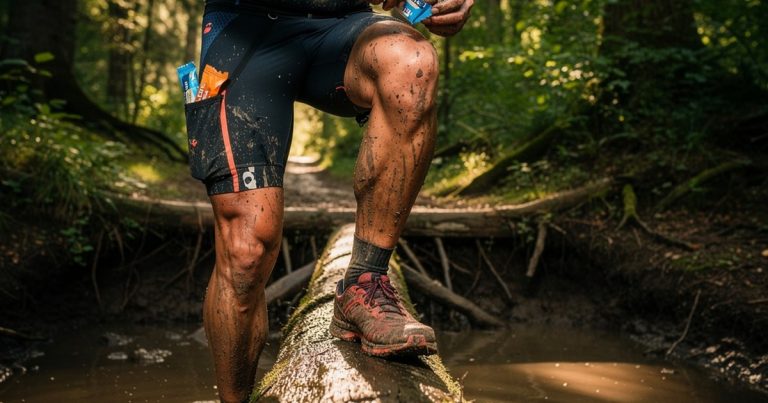
Race-day fueling gets all the coverage. But long OCR training sessions have their own fueling rules — and most athletes are getting them wrong.
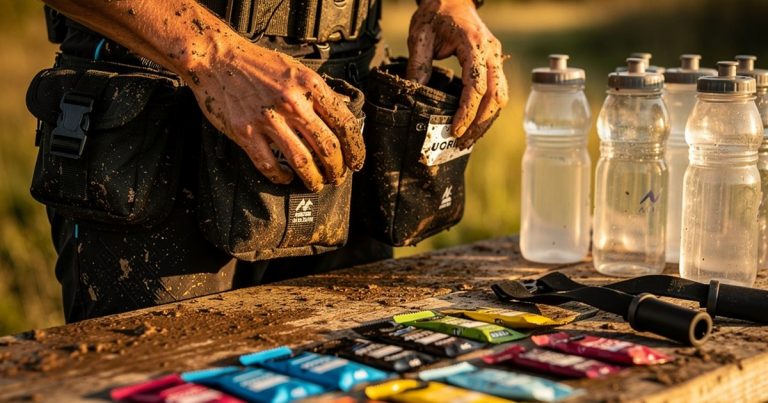
The old OCR sponsorship model required a podium finish and a lot of luck. A new generation of athlete-creators is rewriting those rules — and the industry is watching.