Race Coverage
Two Worlds Collide: What Happens When Triathletes and Ultrarunners Cross Into OCR
September 27, 2026

September 27, 2026
September 27, 2026
September 26, 2026
September 26, 2026
September 25, 2026
September 27, 2026
September 26, 2026
September 26, 2026
September 25, 2026

An OCR-specific pre-race warm-up isn’t just jogging in place. Here’s a structured three-phase protocol — including grip priming and shoulder prep — that prepares you for obstacle demands from the first step.

Q4 in obstacle course racing is its own season within a season — colder conditions, higher stakes, sharper fields, and less margin for error. Here’s what serious athletes need to know heading into the final stretch.

Cramping at mile seven isn’t always a fitness problem. OCR’s water obstacles, variable effort, and multi-hour duration create electrolyte demands that generic endurance advice doesn’t address.
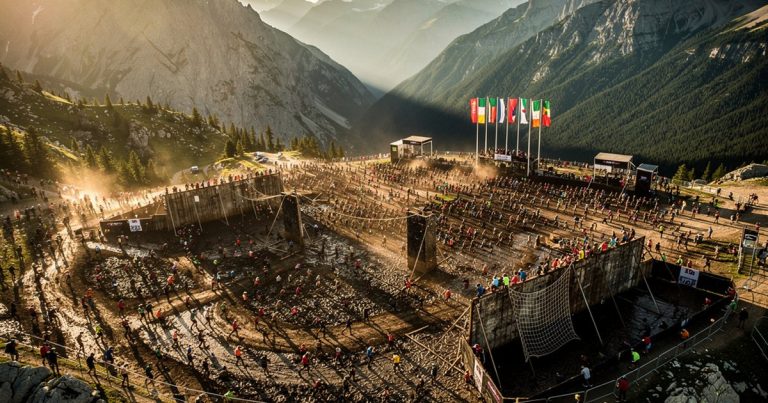
OCR’s global expansion looks like momentum from the outside. From the inside, it’s a harder story — franchise tensions, cost realities, and the question of whether geographic reach equals sport development.

Race belts, gel loops, pouches, and fueling carry systems — here’s how to build an OCR-specific mid-race nutrition carry setup that survives crawls, water, and everything in between.
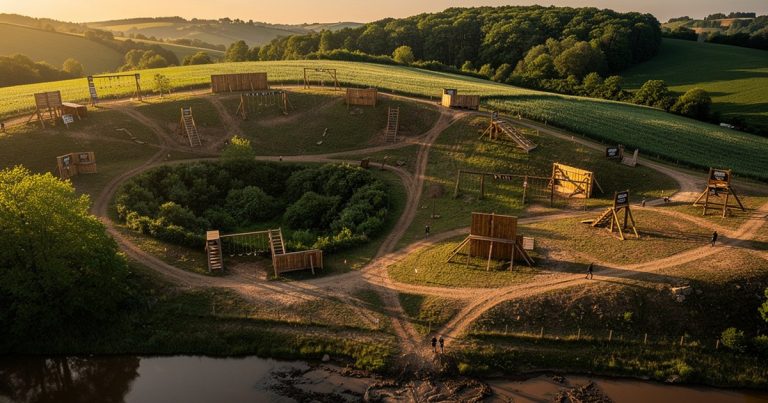
The venue isn’t just a location — it’s race intelligence. Here’s how to read terrain type, topography, and past athlete reports before you commit to a fall OCR registration.

Ultramarathon runners have spent decades solving the exact problem long-format OCR presents: how to perform late, when everything hurts. Here’s what their training methods can build for obstacle racers willing to borrow wisely.

Powerlifters and competitive strength athletes are crossing into obstacle course racing — and discovering the sport rewards their foundation in ways they never expected. Here’s what they bring, what they have to learn, and why the hybrid athlete wins.

OCR has built one of fitness culture’s most powerful retention engines: milestone racing. Inside the trifecta culture, the OCRWC aspirations, and the community identity that keeps athletes hooked for years.

Iron deficiency is one of the most common and most overlooked performance limiters in OCR. Here’s why obstacle racers face unique risk factors — and what to do about it.

The fall 2026 OCR calendar looks different from what was on the schedule six months ago. Here’s the honest, up-to-date picture — what’s confirmed, what’s contracted, and what matters for competitive athletes in the final stretch.
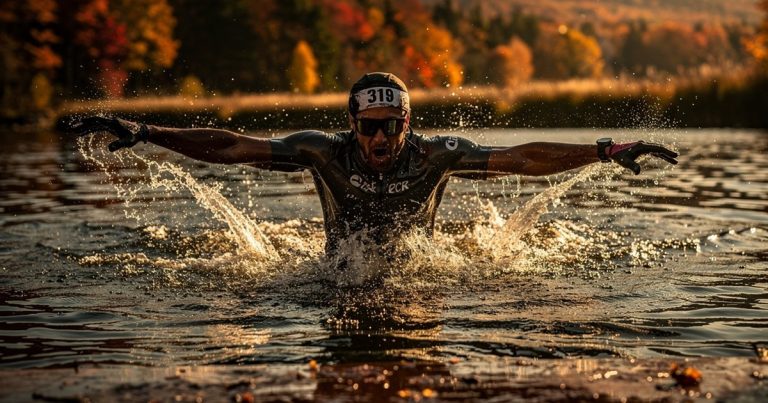
Water obstacles are among the least-trained-for challenges in OCR — and the gap between prepared and unprepared athletes is visible on every course. Here’s how to close it.