The Iron Problem: Why OCR Athletes Are Running on Empty Without Knowing It

Iron deficiency is one of the most common and most overlooked performance limiters in OCR. Here’s why obstacle racers face unique risk factors — and what to do about it.

Race-day fueling, recovery protocols, supplement reviews
Iron deficiency is one of the most common and most overlooked performance limiters in OCR. Here’s why obstacle racers face unique risk factors — and what to do about it.

Racing two days back-to-back demands more than fitness — it demands a deliberate nutrition and recovery strategy in the window between events. Here’s what the science and experience of double-event racing actually tell us.
Altitude training has real physiological support — but does it translate to obstacle course racing? We break down the science, who benefits most, and how to structure it right.
Sleep isn’t recovery — it’s performance. For OCR athletes juggling strength, endurance, and technical skill demands, here’s what the science says about training the most overlooked variable in the sport.
The gut microbiome is a performance system most OCR athletes are managing by accident. Here’s what the science actually says — and what to do about it.
Adaptogens are everywhere in athletic supplement culture right now. But do ashwagandha, rhodiola, and cordyceps actually hold up for OCR athletes? Here’s the science without the marketing spin.
Muscles get all the nutritional attention. But tendons, ligaments, and cartilage are what actually keep OCR athletes racing. Here’s what connective tissue nutrition looks like in practice.
Creatine, protein, and omega-3s have more quality research behind them than anything else on the supplement shelf. Here’s what the science actually says — and how each one applies to the specific demands of OCR.
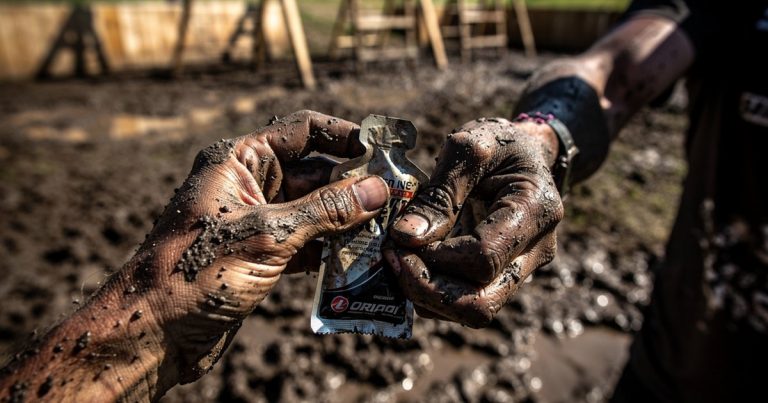
Fueling during a Beast or Ultra isn’t just a nutrition problem — it’s an execution problem. Muddy hands, spiked heart rate, and unpredictable aid stations change everything.
Electrolyte depletion costs OCR athletes more than miles — it costs them obstacles. Here’s the full picture on sodium, potassium, and magnesium for race performance.
Race-day fueling gets all the coverage. But long OCR training sessions have their own fueling rules — and most athletes are getting them wrong.
Most OCR athletes have protein and carbs sorted. But vitamin D, magnesium, and omega-3 fatty acids — the micronutrients quietly running your recovery, sleep, and muscle function — are where serious gaps often hide.