Race Coverage
Two Worlds Collide: What Happens When Triathletes and Ultrarunners Cross Into OCR
September 27, 2026

September 27, 2026
September 27, 2026
September 26, 2026
September 26, 2026
September 25, 2026
September 27, 2026
September 26, 2026
September 26, 2026
September 25, 2026
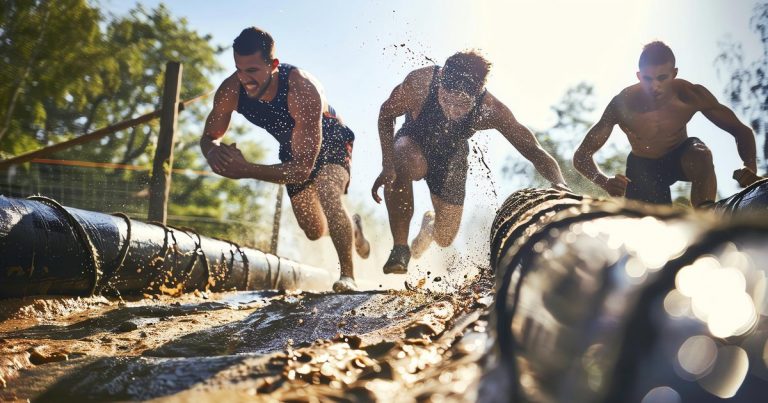
Military veterans are finding structure, community, and purpose in obstacle course racing. Here’s what OCR offers — and what it honestly doesn’t — for those navigating life after service.

OCR’s Masters and Veterans age group divisions are fiercely competitive, growing fast, and producing some of the sport’s most technically accomplished athletes. The 40+ wave isn’t a consolation — it’s a real pathway.
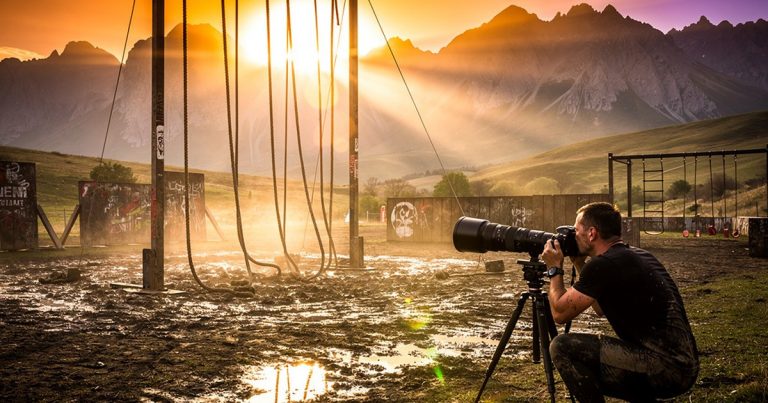
The unofficial photographers and content creators embedded in OCR’s community have built the sport’s visual identity from the grassroots up — and it’s driven participation more than any ad campaign ever could.

Most OCR training builds fitness — but not race-readiness. Race simulation training is the most underused prep tool in the sport, and the gap it closes is the difference between finishing strong and falling apart on course.
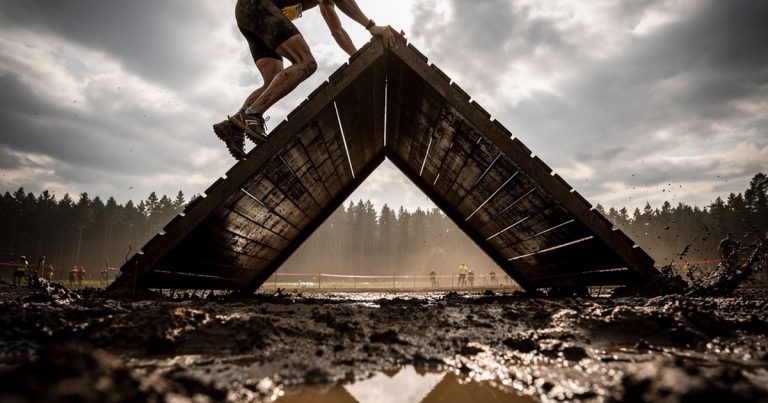
Not every OCR athlete came up through a marathon program or a CrossFit gym. The most compelling stories in the sport belong to people who arrived from a desk job, a career pivot, or a quiet midlife decision to reclaim something physical — and never looked back.

The Spartan format ladder isn’t just marketing tiers. Sprint, Super, Beast, and Ultra each demand something the distance below doesn’t — here’s how to match the right format to where you actually are.
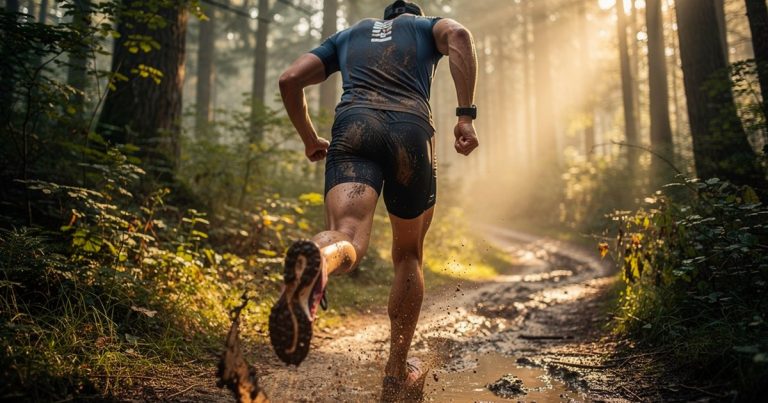
Your shoes get all the research, but your lower half is working just as hard. Here’s what to look for in OCR shorts and tights — and what the market gets wrong.

Independent OCR series are growing in reach, format diversity, and community impact. Here’s what’s driving the indie wave — and what it means for the sport’s future.
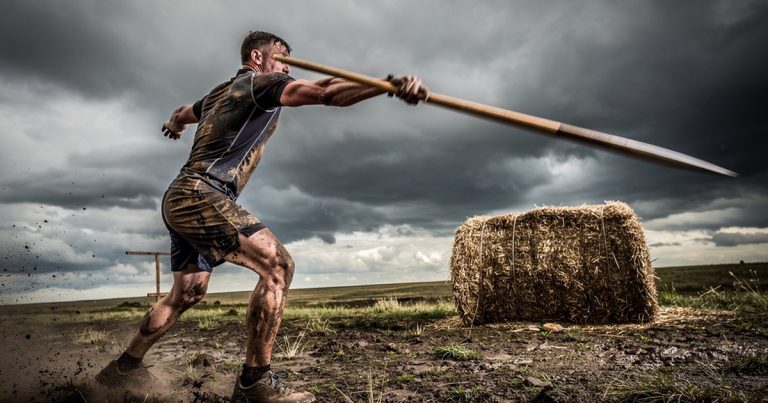
The spear throw is the obstacle that costs more athletes more burpees than any other. Here’s how to actually practice it — and what the mechanics really demand.

Your gut microbiome influences energy, immunity, and recovery in ways most OCR athletes ignore. Here’s what the science actually says — and what’s worth acting on.
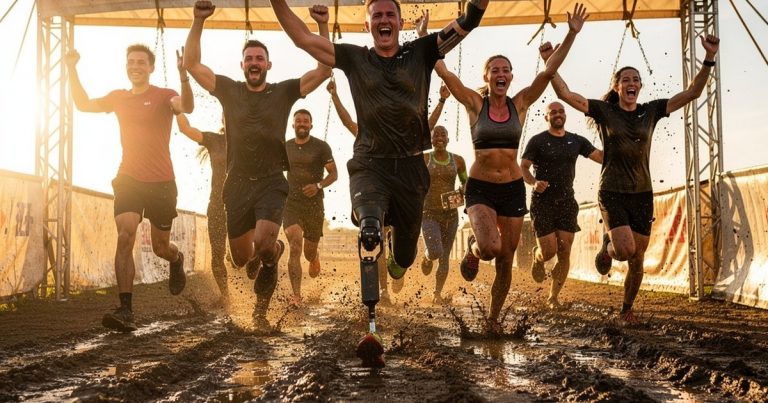
Adaptive athletes don’t just show up to obstacle course racing — they compete, push limits, and force the sport to ask harder questions about who it’s actually built for.
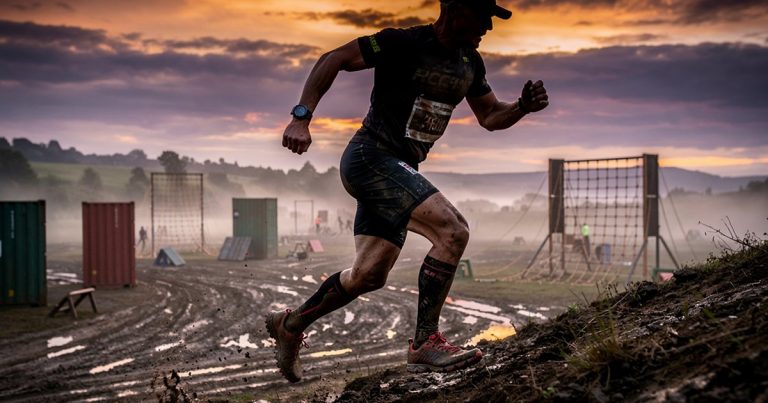
The best OCR athletes don’t just train harder — they train smarter, more specifically, and with a system built around race-day realities. Here’s what separates the podium from the pack.