Race Coverage
Two Worlds Collide: What Happens When Triathletes and Ultrarunners Cross Into OCR
September 27, 2026

September 27, 2026
September 27, 2026
September 26, 2026
September 26, 2026
September 25, 2026
September 27, 2026
September 26, 2026
September 26, 2026
September 25, 2026
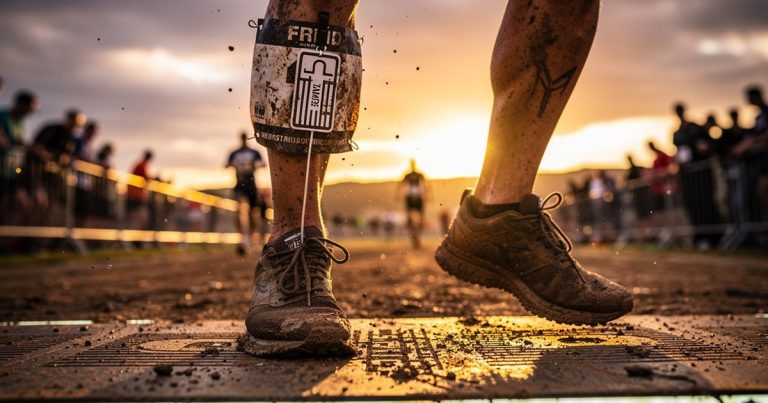
OCR’s chip timing captures your start and your finish. Everything that happens on course — thirty obstacles, penalty zones, and miles of terrain — remains largely invisible to it. That’s a growing problem.
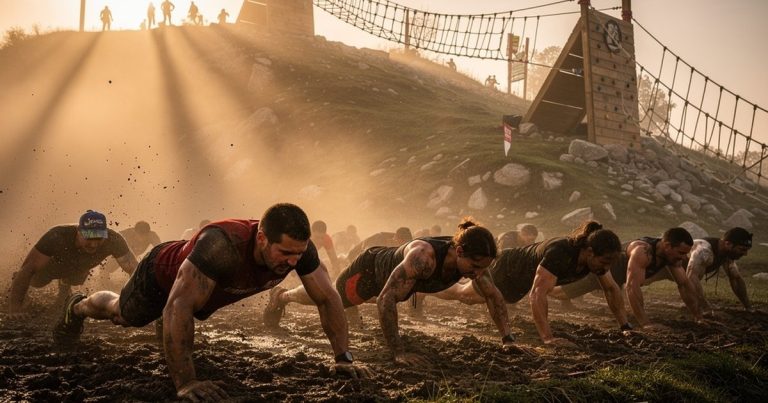
OCR’s burpee penalty runs on an honor system that’s both the sport’s defining cultural asset and its most unresolved tension. Here’s how it works — and where it breaks down.
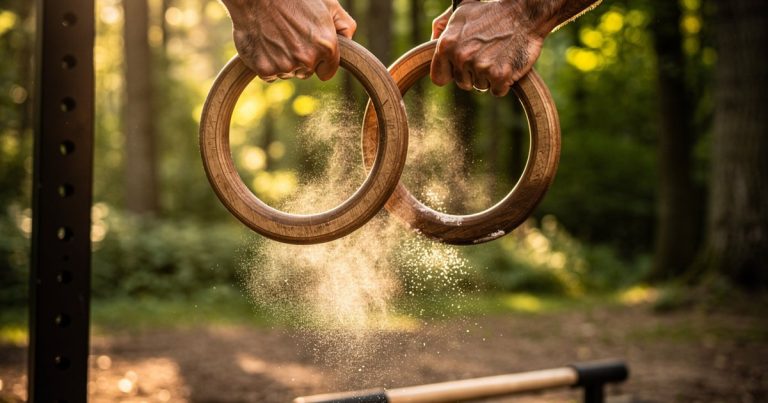
Rings, parallettes, and peg boards are the most direct path from “fit runner” to “obstacle athlete.” Here’s how to use them — and when not to bother.

They’re the voice that gets you over the wall when your legs have quit. OCR’s race emcees are the sport’s most underappreciated role — and it’s time the community noticed.
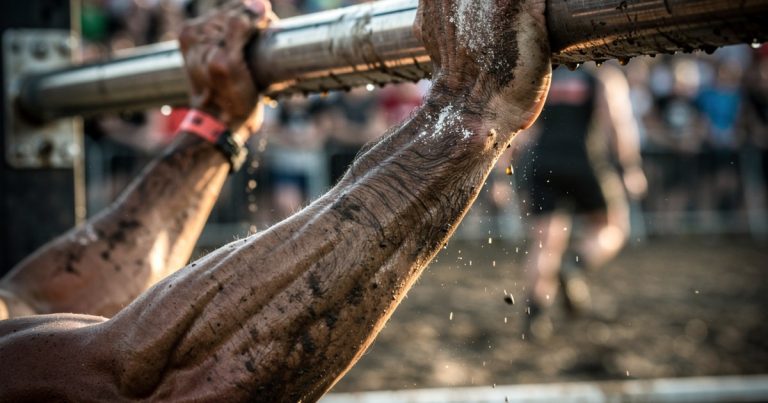
Grip strength gets the headlines. Forearm endurance wins the obstacles. Here’s why they’re different — and how to specifically train the capacity that decides your rig performance at mile seven.

Racing two days back-to-back demands more than fitness — it demands a deliberate nutrition and recovery strategy in the window between events. Here’s what the science and experience of double-event racing actually tell us.
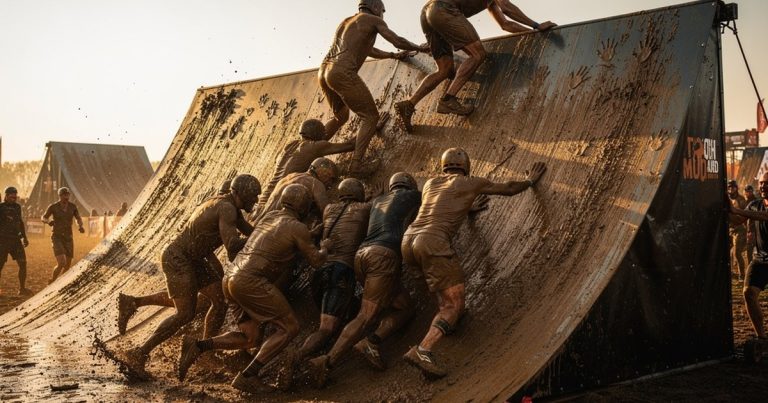
Tough Mudder’s 15K is more than a muddy Saturday — it’s a two-to-three-hour test of grip endurance, terrain fitness, and collaborative performance. Here’s what the format actually demands.

OCR’s elite athletes negotiate their own sponsors, manage their own media, and race without representation. Here’s why the sport still doesn’t have agents — and what it would take to change that.

In fall OCR, your base layer is your most important piece of kit. Here’s what actually matters when choosing between merino and synthetic for cold, wet racing conditions.

The fall championship window is shorter than it looks. Here’s how competitive OCR athletes should think about the final stretch of the points season — and when to stop chasing.

Hip mobility and thoracic spine range of motion govern more of what happens on an OCR course than almost any other physical quality. Here’s how to train both with specificity.

Behind the competitive bib, a growing cohort of OCR athletes is also building the sport — designing courses, engineering timing systems, and creating the community infrastructure that race-day fans never see.