Race Coverage
Two Worlds Collide: What Happens When Triathletes and Ultrarunners Cross Into OCR
September 27, 2026

September 27, 2026
September 27, 2026
September 26, 2026
September 26, 2026
September 25, 2026
September 27, 2026
September 26, 2026
September 26, 2026
September 25, 2026
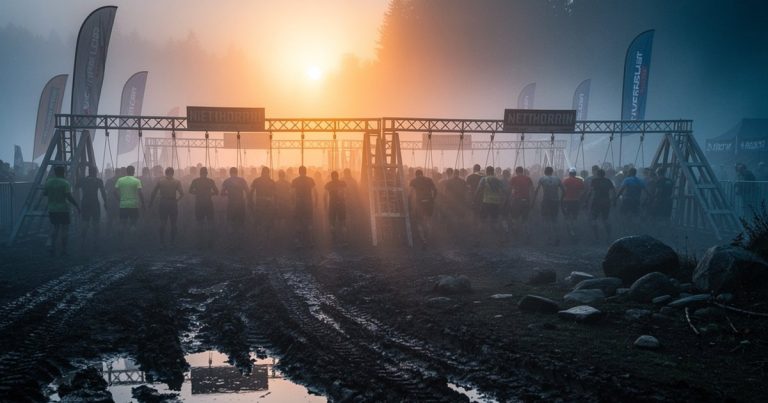
September is the last real window to chase a PR, lock in a series standing, or close the year with purpose. Here’s how to choose your final 2026 races the smart way.

Elite OCR athletes don’t stumble into flow state — they engineer it. Here’s how the best competitors use arousal regulation, anxiety reappraisal, and mental protocols to race at their ceiling.

With a goal race six weeks out, the training decisions you make right now matter more than the ones you made in July. Here’s how to peak — not just taper.
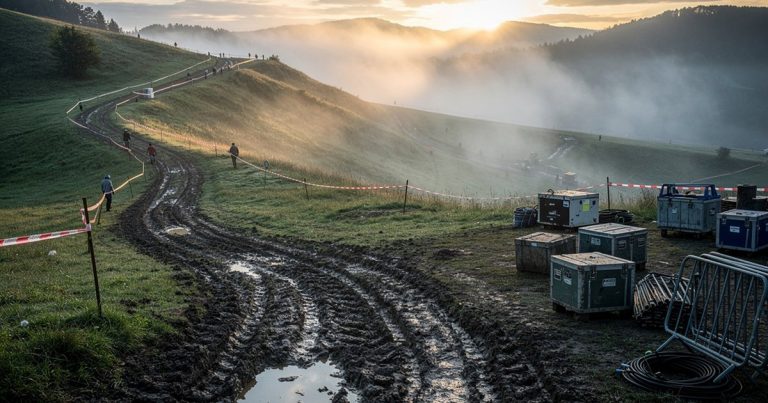
The permits, the policies, the land deals — the unglamorous infrastructure that determines which OCR events survive and which quietly disappear from the calendar.

Six weeks out from Spartan World Championship, the 2026 season has produced a deeper, more unpredictable field than recent years. Here’s what the data says about who’s actually ready.
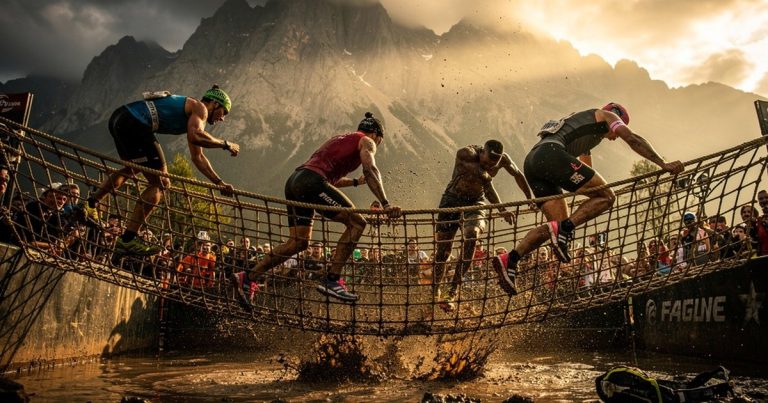
The product-for-post era in OCR is giving way to real contracts, content deliverables, and cash. Here’s how the sport’s sponsorship economy is finally maturing — and what athletes need to know.

The gut microbiome is a performance system most OCR athletes are managing by accident. Here’s what the science actually says — and what to do about it.

Masters-age athletes are finding OCR in their 40s and 50s — and competing at a level that challenges everything the sport assumed about peak performance and who the race belongs to.
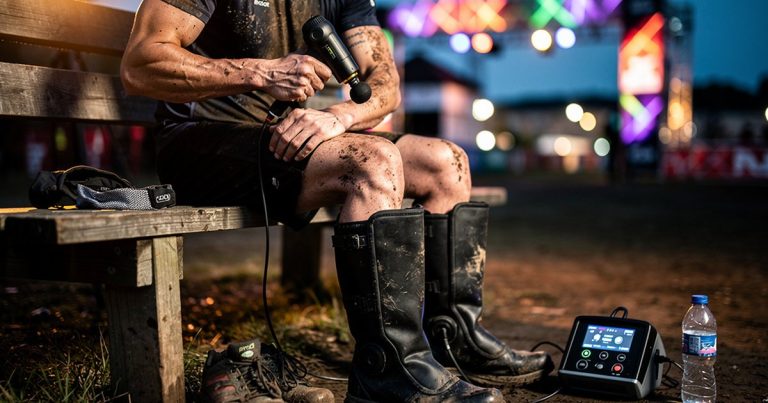
Percussion guns, compression boots, vibration rollers — which active recovery tools actually help OCR athletes bounce back? We break down the evidence, the trade-offs, and what to buy first.
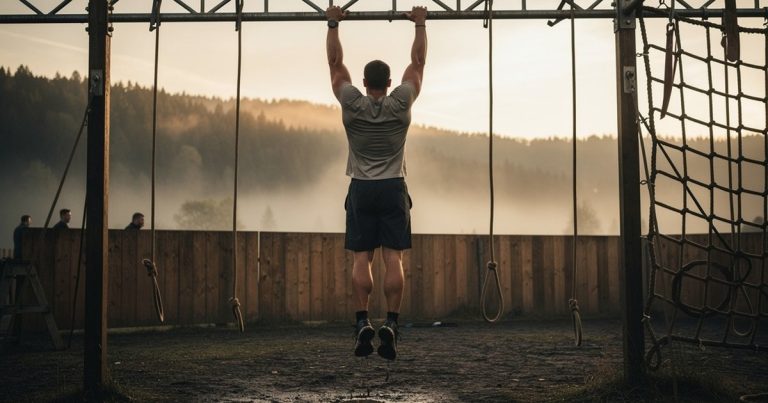
The rotator cuff is the most overlooked joint complex in OCR. Here’s how to build the shoulder resilience to handle a full season of rigs, ropes, carries, and climbs — before something gives.
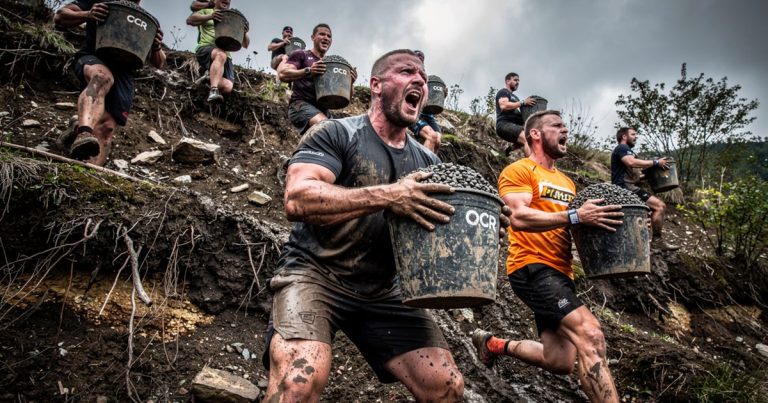
The bucket carry is OCR’s most dreaded obstacle and its most unlikely community builder. Here’s what happens when hundreds of athletes discover they’re all suffering equally.
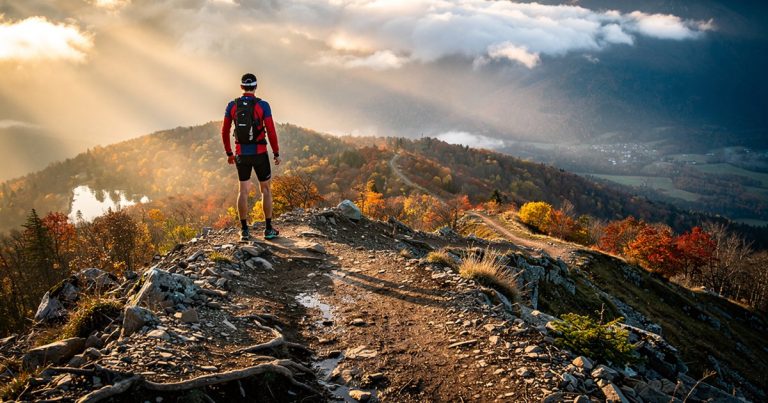
The off-season isn’t downtime — it’s the most strategically valuable stretch of the OCR year. Here’s how to build a race calendar that actually fixes what held you back.